

Charged with Hit-and-Run in Korea but Didn’t Realize the Accident? How One Case Ended in No Charges
Written by Attorney Soobin You, a former prosecutor licensed in Korea, defending criminal cases with consultations available in English.
Quick answer: In Korea, a hit-and-run (도주치상) charge turns on one central question: did the driver actually realize an accident had occurred? Leaving a scene you genuinely did not know about is different from fleeing. Where it can be shown that you did not perceive the collision, a case can end in a no-charge decision (불송치) at the police stage. But because these cases can lead to prison, the early response is critical.
For foreigners driving in Korea, this is a frightening situation. A minor contact you never noticed can later become a serious criminal charge, and if the other driver was hurt, the stakes rise fast. Here is how the law approaches it, from a Korean English-speaking lawyer’s perspective.
Why hit-and-run cases are serious, and why timing matters
A hit-and-run is a serious offense that can lead to a prison sentence if not handled early. If you intend to argue that you are not guilty, it is important to seek help before the police interview, because how you respond from the very start shapes the case.
The case background
The client was driving when they came under police investigation for a hit-and-run. The other party was another driver, in a vehicle-to-vehicle collision. The client maintained that they had not perceived the accident at all. But the other driver was significantly injured, and their vehicle damage was severe, so the client was placed under investigation as a suspect, with real potential for the matter to become serious.
The central issue in a hit-and-run case is usually this: did the suspect perceive the accident? Here, because the other driver was badly injured, the situation was genuinely unfavorable. A not-guilty argument in hit-and-run cases is typically easier where the collision was very minor, which was not the case here.
The defense strategy
We led this case to a no-charge outcome through a focused, evidence-based approach.
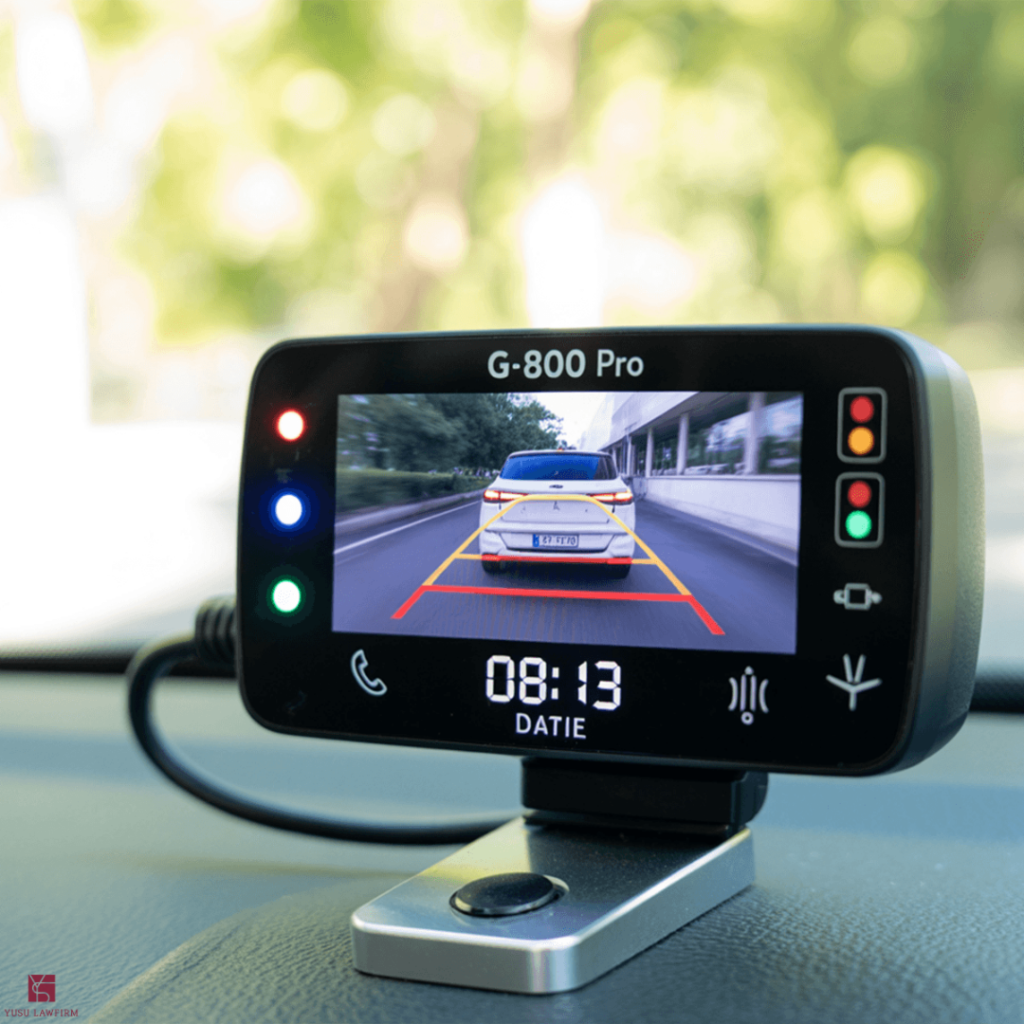
Analyzing the dashcam. Reviewing dashcam footage is an excellent method in these cases. We even had the footage forensically examined, though forensic recovery does not always preserve everything. From it, the level of sound, the degree of impact, and whether the collision could reasonably have been perceived can be assessed. Where there is no dashcam, these same points have to be established through surrounding circumstantial evidence.
Submitting third-party confirmations. Written confirmations help. Statements from family or a building manager, for example, can confirm that the vehicle showed no signs of an accident. It is best to obtain these from people who can corroborate, circumstantially, that the suspect did not commit a hit-and-run.
Analyzing the client’s conduct afterward. If an accident had truly occurred and been noticed, a person would not have behaved exactly as usual. We submitted materials showing the client acted no differently than normal, and explained that the client continued driving as usual and did not intentionally flee the scene. Establishing the absence of any motive to flee is especially valuable.
Hit-and-run is not automatically a conviction
A hit-and-run charge turns on whether the accident was perceived. Getting help from a lawyer early and responding actively at the police stage is important. If the police accept the allegation and refer the case, the likelihood of prosecution rises, and by the prosecution stage a suspect often becomes anxious and turns to settling with the victim or minimizing the sentence. Responding with a legal professional from the police investigation stage is the better course.

What effective early defense looks like
The difference a lawyer makes shows at this stage. It involves identifying, through consultation, what evidence is needed; preparing the suspect for questioning through simulation beforehand; and drafting a persuasive, evidence-based written opinion. Presenting substantial counter-evidence is what makes a not-guilty outcome possible.
Whether the driver was aware an accident had occurred is the question these cases turn on, and it is answered from the scene evidence rather than from what anyone says later. A related case, where the outcome was a fine rather than imprisonment, is set out in our account of a hit-and-run case that ended in a fine, and the wider process is described in our criminal defence overview.
Frequently Asked Questions
Q: What decides a hit-and-run case in Korea?
A: The central question is whether the driver actually perceived the accident. Leaving a scene you genuinely did not realize you were involved in is different from fleeing, and can support a no-charge outcome.
Q: Can I be cleared of hit-and-run even if the other person was badly hurt?
A: It is harder, but possible. The severity of the injury makes the situation less favorable, but if the evidence shows you did not perceive the collision, a no-charge decision is still achievable.
Q: What evidence helps show I didn’t realize an accident happened?
A: Dashcam footage assessed for sound and impact, third-party confirmations that the vehicle showed no signs of an accident, evidence that you behaved normally afterward, and the absence of any motive to flee.
Q: Why is the police stage so important in these cases?
A: If the police accept the allegation and refer the case, prosecution becomes more likely, and the options narrow. Responding actively with counter-evidence at the police stage gives the best chance of a no-charge outcome.
Q: I’m a foreigner facing a hit-and-run charge in Korea. Can I get help in English?
A: Yes. A Korean English-speaking lawyer can take your account in English and respond from the police stage, including securing dashcam and other evidence, which is often decisive on the question of whether you perceived the accident.
This article is for general information only and does not constitute legal advice. Outcomes depend on the specific facts of each case. For advice on your situation, consult a licensed attorney.
Facing a hit-and-run charge in Korea you believe you didn’t commit? YUSU Lawfirm (법무법인 유수), founded by former prosecutor Soobin You, with a team that includes Kyungmin Kim, a US-educated Korean attorney, provides English-language criminal defense from the police investigation stage. With offices in Seoul (Mapo) and Gyeongju, contact us via KakaoTalk or the inquiry form.