

Arrested in Korea as a Foreigner? What to Do First, Step by Step
Written by Attorney Soobin You, a former prosecutor licensed in Korea, with experience defending criminal cases involving foreign nationals. Consultations are available in English.
Quick answer: If you are arrested or questioned by the police in Korea, stay calm, do not physically resist, and be careful about giving a detailed statement before you fully understand the situation and your rights. If your Korean is limited, request an interpreter, and consider speaking with a lawyer as early as possible.
What happens during the early stages of a criminal investigation can significantly affect how the case develops. Statements made during police questioning, messages and other digital evidence, CCTV footage, witness accounts, and the way the allegations are initially framed may all become important later.
For a foreign national, there is an additional concern: the outcome of the criminal case may also have immigration consequences.
Being arrested or investigated in a foreign country can be frightening. You may be dealing with an unfamiliar legal system, a language barrier, and uncertainty about your visa, job, or ability to remain in Korea.
This guide explains what to do first and what to expect if you become involved in a criminal investigation in Korea.
First, Understand How the Korean Criminal Process Works
A Korean criminal case commonly begins with a police investigation. Depending on the investigation and the nature of the case, it may then proceed to the prosecution and, if prosecuted, to court.
Importantly, not every criminal investigation results in a trial.
Depending on the evidence and circumstances, a case may end during the investigation or prosecution stage. For example, the police may make a decision not to forward the case for prosecution (불송치), or prosecutors may decide not to prosecute (불기소). In appropriate cases, prosecutors may also issue a suspension of indictment (기소유예).
These outcomes have different legal meanings and should not be treated as interchangeable.
For a foreign national, resolving a case without a criminal conviction can be particularly important because the final disposition may also become relevant to immigration matters.

What Should You Do First?
1. Stay calm and do not physically resist.
Even if you believe the arrest or accusation is unfair, physically resisting police officers can make the situation more serious.
Try to remain calm, understand what is happening, and avoid turning one legal problem into several.
2. Be careful about giving a detailed statement before you understand the situation.
Statements made during police questioning can become important evidence later in the case.
People often speak too quickly because they are nervous, want to explain themselves, or believe that immediately answering every question will prove their innocence.
But memory is not always perfect, particularly under stress. A rushed answer, an inaccurate guess, or a statement that does not fully reflect what you meant can create problems later.
If you do not understand a question, say so. If you do not remember something accurately, do not guess.
Depending on the circumstances, you may also wish to speak with a lawyer before providing a detailed statement.
3. Ask for a lawyer and, if necessary, an interpreter.
If you are not sufficiently comfortable communicating in Korean, ask for interpretation.
A criminal investigation is not the right situation in which to rely on partial understanding or conversational Korean.
Small differences in language can matter. Words concerning consent, intention, knowledge, physical contact, threats, money, or timing may carry significant legal consequences.
An attorney who can communicate with you in English can help understand your account and present the relevant facts accurately within the Korean legal process.
4. Contact your embassy or consulate when appropriate.
If you are arrested or detained, consular assistance may also be relevant.
Your embassy or consulate cannot act as your criminal defense lawyer, decide the outcome of the investigation, or simply order your release.
However, consular officials may be able to provide certain forms of assistance depending on your nationality and circumstances.
5. Preserve evidence and be very careful about contacting the other party.
Do not delete messages, photographs, call records, social media communications, or other material simply because you are worried about how it might look.
Evidence that initially appears unfavorable may become important once the full context is understood.
You should also be cautious about directly contacting a complainant, alleged victim, or important witness after learning of a criminal complaint.
Depending on the circumstances, repeated or inappropriate contact can create additional problems or be interpreted in a way you did not intend.
Before deleting evidence or attempting to resolve the matter directly, obtain legal advice about the safest way to proceed.
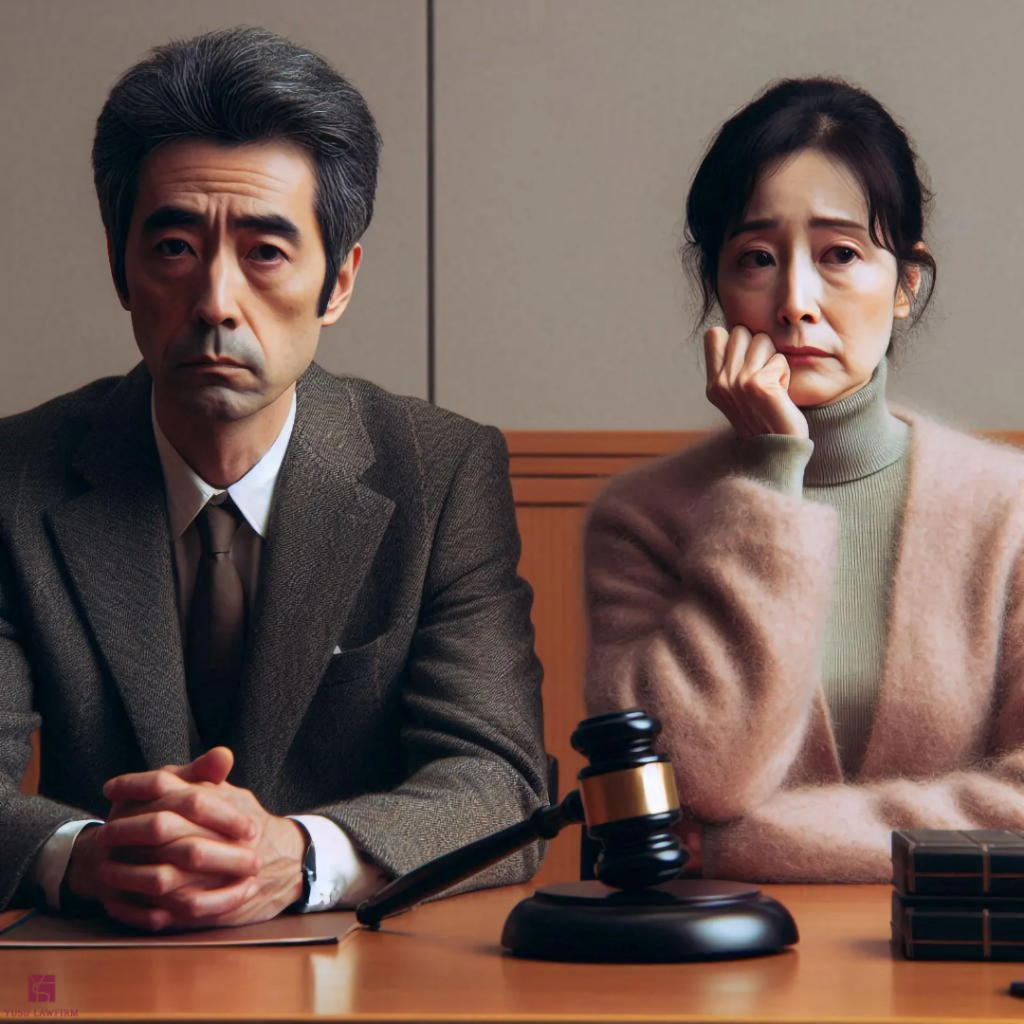
Why the First Police Interview Matters
Many people think:
“I did nothing wrong, so I will just explain everything to the police.”
Being truthful is essential. But being truthful and being unprepared are not the same thing.
Investigators must evaluate evidence, competing accounts, inconsistencies, and the legal elements of the alleged offense. Simply repeating that you are innocent may not address the issues the investigators are actually examining.
The first interview can therefore be important because it establishes your initial account of what happened.
If your later explanation differs from your first statement, investigators may ask why. Sometimes there is a perfectly reasonable explanation, such as misunderstanding a question, difficulty with interpretation, stress, or remembering additional details later.
Nevertheless, avoiding preventable inaccuracies from the beginning is better than trying to explain them afterward.
A lawyer can help you understand the allegations, organize the relevant facts and evidence, identify questions that are likely to arise, and accompany you during questioning where appropriate.
Why the Investigation Stage Is So Important
Some people wait until they are formally prosecuted before seeking legal assistance.
That can be a mistake.
The investigation stage is often when important evidence is collected, statements are recorded, digital devices or communications are examined, witnesses are interviewed, and the direction of the case begins to take shape.
It is also possible for cases to end without prosecution.
For this reason, early legal assistance is not simply about preparing for a future trial. In an appropriate case, the objective may be to present the evidence and legal position effectively enough that the matter can be resolved during the investigation or prosecution stage.
Once a case proceeds to trial, the legal and practical burden generally becomes greater.
Special Concerns for Foreign Nationals in Korea
Visa and immigration status
A criminal investigation does not automatically mean that your Korean visa will be cancelled.
However, depending on the offense, the final disposition, the sentence, your immigration status, and other circumstances, a criminal case may have immigration consequences.
For this reason, your lawyer should know your visa type and immigration situation from the beginning.
The objective may not simply be to minimize criminal punishment. Where legally possible, the defense strategy should also consider which criminal outcome places you in the best position regarding your continued stay in Korea. We set out how we handle those two questions together in immigration and visa matters for foreign nationals in Korea.
The language barrier
Criminal proceedings in Korea are conducted in Korean.
Interpretation can help, but legal communication involves more than translating individual words.
A lawyer needs to understand exactly what you remember, what you do not remember, what you agree or disagree with, and why particular facts matter.
For international clients, being able to explain the case directly in English can reduce misunderstandings and help the defense team present the relevant facts accurately in Korean legal proceedings.

This guide covers what to do in the moment. The legal clock that runs alongside it — the 48-hour deadline for requesting a detention warrant, what you must be told before questioning, and when a lawyer may be present — is set out separately in the first 48 hours after an arrest in Korea.
Frequently Asked Questions
Q: I have been arrested in Korea and I am innocent. Won’t the police just release me?
A: An assertion of innocence does not by itself determine whether someone will be released or how an investigation will end.
Police and prosecutors examine the available evidence and circumstances. If you have been arrested or detained, it is important to understand the allegations, avoid unnecessary or inaccurate statements, and obtain legal assistance as early as possible.
Q: Should I answer police questions without a lawyer in Korea?
A: You should understand your rights and the situation before deciding how to respond to detailed questioning.
Statements made during an investigation can become important later. Depending on the circumstances, speaking with a lawyer before a detailed interview can help you understand the allegations and prepare an accurate account.
Q: Can I get an interpreter during a police investigation in Korea?
A: If you cannot adequately understand or communicate in Korean, interpretation may be necessary during the investigation.
Do not pretend to understand a question that you do not understand. Legal and factual nuances can matter significantly in a criminal case.
Q: Can I ask for an English-speaking lawyer in Korea?
A: You may retain a lawyer who can communicate with you in English.
For foreign clients, direct communication can be particularly valuable when preparing for questioning, reviewing the allegations, organizing evidence, and explaining how the Korean criminal process works.
Q: Will being arrested automatically cancel my Korean visa?
A: No. An arrest or investigation does not automatically mean that your visa will be cancelled.
However, the eventual outcome of the criminal case may have immigration consequences depending on the offense, disposition or sentence, visa type, and individual circumstances.
Q: Should I contact the person who reported me to the police?
A: Be cautious.
In some cases, an appropriate settlement or communication may be relevant to resolving the matter. In other cases, direct contact can make the situation worse or be misunderstood.
Before contacting a complainant or alleged victim, particularly in cases involving sexual offenses, violence, stalking, or other sensitive allegations, it is advisable to discuss the appropriate approach with your lawyer.
Q: When should I hire a lawyer — before or after charges are filed?
A: There can be significant advantages to obtaining legal advice during the investigation stage.
This is when statements are taken and much of the evidence is collected. It is also possible for some cases to end without prosecution.
Early legal assistance allows the defense to address important issues before the direction of the case becomes more difficult to change.
Arrested or Under Investigation in Korea?
If you have been arrested, contacted by the police, or asked to appear for questioning in Korea, you do not need to wait until formal charges are filed before seeking legal advice.
YUSU Lawfirm (법무법인 유수) provides English-language criminal defense for foreign nationals in Korea.
Our team is led by Soobin You, a former prosecutor, and includes Kyungmin Kim, a Korean attorney educated in the United States who can communicate with international clients directly in English.
We assist foreign clients throughout the criminal process, including preparation before police questioning, attorney attendance during investigations, submissions to investigators and prosecutors, and criminal trials.
We also consider potential immigration consequences when developing the criminal defense strategy.
With offices in Seoul (Mapo) and Gyeongju, YUSU Lawfirm assists international clients facing criminal investigations and charges throughout Korea.
If you have been contacted by the Korean police, early preparation matters. Contact us through KakaoTalk or our online inquiry form to discuss your situation.
This article provides general information only and does not constitute legal advice. Criminal and immigration consequences depend on the specific facts of each case and the law applicable at the relevant time. If you are arrested, detained, or under criminal investigation in Korea, obtain legal advice based on your individual circumstances.
Not ready to start a case yet?
Have a quick legal question?
Send a private question to our legal team. Your question will not be published.