

Written by Attorney Soobin You, a former prosecutor licensed in Korea, defending criminal cases with consultations available in English.
Quick answer: In Korea, stalking is a serious crime under the Anti-Stalking Act, and repeated conduct during an existing suspended sentence often leads to detention and an actual prison sentence. But a first-instance prison sentence is not the end. In one case, a client detained and sentenced to prison at trial had it changed on appeal to a suspended sentence, and was released, after a settlement with the victim and a change in circumstances.
For foreigners in Korea, stalking cases can escalate faster and more severely than expected, especially where there is a prior record. But even after a prison sentence at first instance, a well-built appeal can change the outcome. Here is how, from a Korean English-speaking lawyer’s perspective.
Why stalking cases are treated so seriously
Stalking is regarded as a serious offense that threatens a victim’s daily life and psychological safety. Since the Anti-Stalking Act was enacted, heavy punishment has been difficult to avoid, and where the conduct is repeated, the likelihood of a detention warrant and an actual prison sentence rises sharply, in part to protect the victim. Because the penalties are heavy, legal help from the earliest stage is important.
The case background
The client was alleged to have repeatedly engaged in stalking conduct toward the same victim, and a detention warrant was requested. At the time, the client was already within a suspended-sentence period for the same type of offense, which made an actual prison sentence highly likely.
At first instance, the defense argued diminished mental capacity, and while the judge accepted this in part, an actual prison sentence was imposed because no settlement with the victim had been reached. The victim had refused to settle at that stage.
On appeal, the case was managed carefully around the timing of the earlier suspended sentence, and a settlement with the victim was ultimately reached. Taking this change in circumstances into account, along with the diminished-capacity argument, the defense sought a suspended sentence.
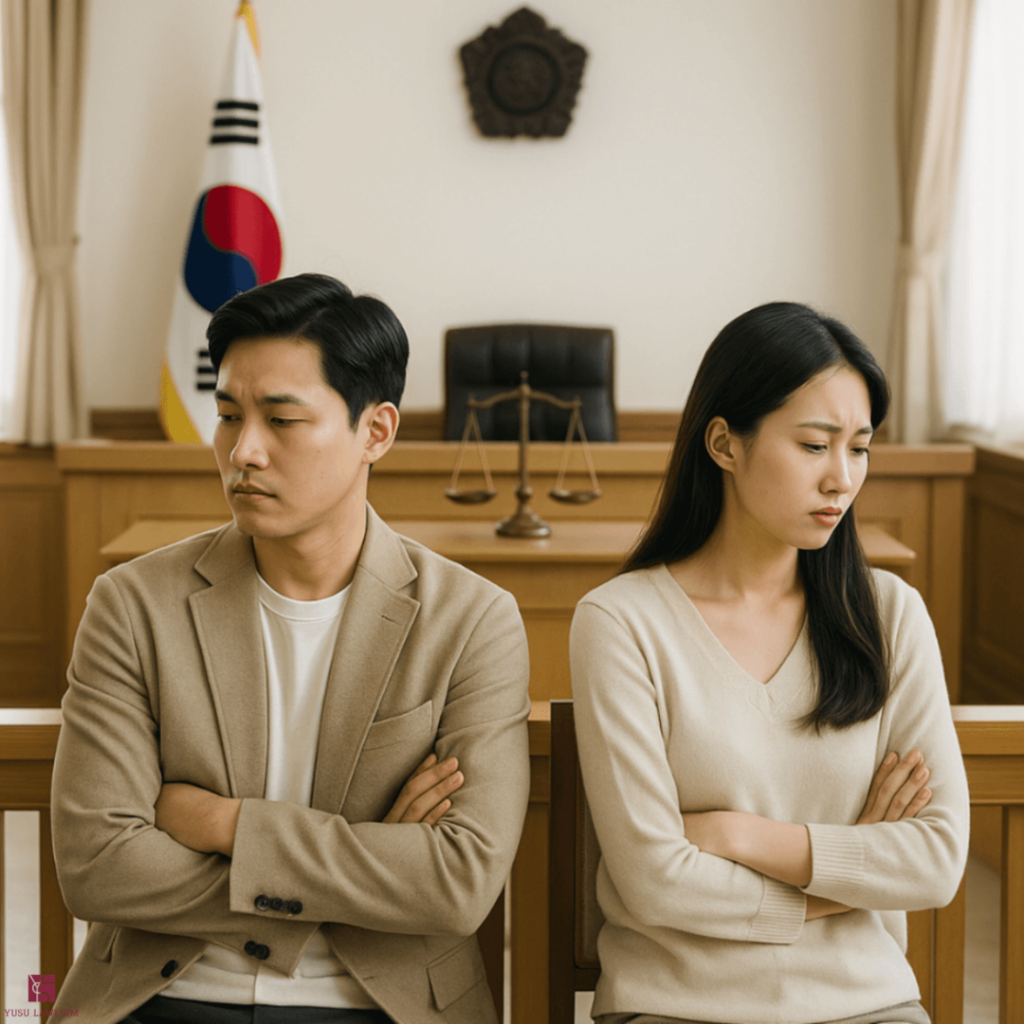
The defense strategy
At first instance, we conducted the defendant examination, continued efforts to settle with the victim, obtained and submitted a psychiatric evaluation to support the diminished-capacity argument, and repeatedly submitted a life plan and the parents’ petitions. In total, we submitted a defense opinion five times.
Because the scope of what can be done on appeal is limited, it is important to do everything possible at first instance, including the defendant examination. The record of that examination remains available on appeal, so conducting it thoroughly at first instance is valuable.
On appeal, because the earlier suspended-sentence period was close to ending, we adjusted the hearing schedule accordingly, and persuasively set out to the court when that period would conclude, creating room to reconsider the severity of the sentence. Appeal courts are often reluctant to adjust hearing dates, so we continued to raise the client’s young age and the diminished-capacity issue. Above all, through steady communication with the victim, we successfully reached a settlement, and the victim’s decision to forgive substantially increased the possibility of leniency. We continued to submit the parents’ petitions and opinions on appeal as well.
The result: a suspended sentence, and release
Through this response, the appeal court, weighing the settlement reached on appeal and the conclusion of the earlier suspended-sentence period, granted a suspended sentence. The client received one year of imprisonment, suspended for two years, and was released from custody, gaining a fresh opportunity.
Why the early and ongoing response matters
In stalking cases, a settlement with the victim is a critical factor, but where the offense occurs during an existing suspended sentence for the same type of crime, the situation becomes far more serious. These cases require thorough preparation and strategy, handled professionally, including settlement, petitions, and opinions aimed at persuading the court. If you are facing a stalking case with a detention warrant and the risk of an actual prison sentence, an early and sustained response is essential.

A new allegation during a suspended sentence changes the arithmetic of the whole case, and the response has to account for both matters at once. More on defending criminal charges in Korea.
Frequently Asked Questions
Q: How serious is a stalking charge in Korea?
A: It is treated as a serious offense under the Anti-Stalking Act. Repeated conduct can lead to a detention warrant and an actual prison sentence, particularly where there is a prior record.
Q: What happens if I commit an offense during a suspended sentence in Korea?
A: It makes the situation significantly more serious and raises the likelihood of an actual prison sentence. But with the right strategy, including a settlement and a change in circumstances, a suspended sentence can still be possible on appeal.
Q: Can a first-instance prison sentence be changed on appeal?
A: Yes, it is possible. An appeal court can change a prison sentence to a suspended sentence where there are new circumstances, such as a settlement reached on appeal, alongside other mitigating factors.
Q: How important is a settlement with the victim in a stalking case?
A: Very important. It is often a decisive factor. A victim’s decision to settle, and to express forgiveness, can substantially increase the possibility of leniency.
Q: I’m a foreigner facing a stalking case in Korea. Can I get help in English?
A: Yes. A Korean English-speaking lawyer can take your account in English and handle the case through trial and appeal, where settlement efforts and careful sentencing work can change whether you face prison or release.
This article is for general information only and does not constitute legal advice. Outcomes depend on the specific facts of each case. For advice on your situation, consult a licensed attorney.
Facing a stalking charge or detention in Korea? YUSU Lawfirm (법무법인 유수), founded by former prosecutor Soobin You, with a team that includes Kyungmin Kim, a US-educated Korean attorney, provides English-language criminal defense through investigation, trial, and appeal. With offices in Seoul (Mapo) and Gyeongju, contact us via KakaoTalk or the inquiry form.