

Written by Attorney Soobin You — a former prosecutor licensed in Korea, defending criminal cases with consultations available in English.
Quick answer: In Korea, failing to complete a contract is not fraud. Fraud requires intent to deceive from the outset. If you genuinely intended to perform the work but were stopped by circumstances, it is a civil matter — not a crime. In one case with multiple complainants, the client was cleared with a no-charge (혐의없음) decision.
For foreigners doing business in Korea, this is a real risk: a delayed or halted project can turn into a criminal fraud complaint. Here is a case where work genuinely stopped — and the client was still found not to have committed fraud.
Background: does a halted project equal fraud?
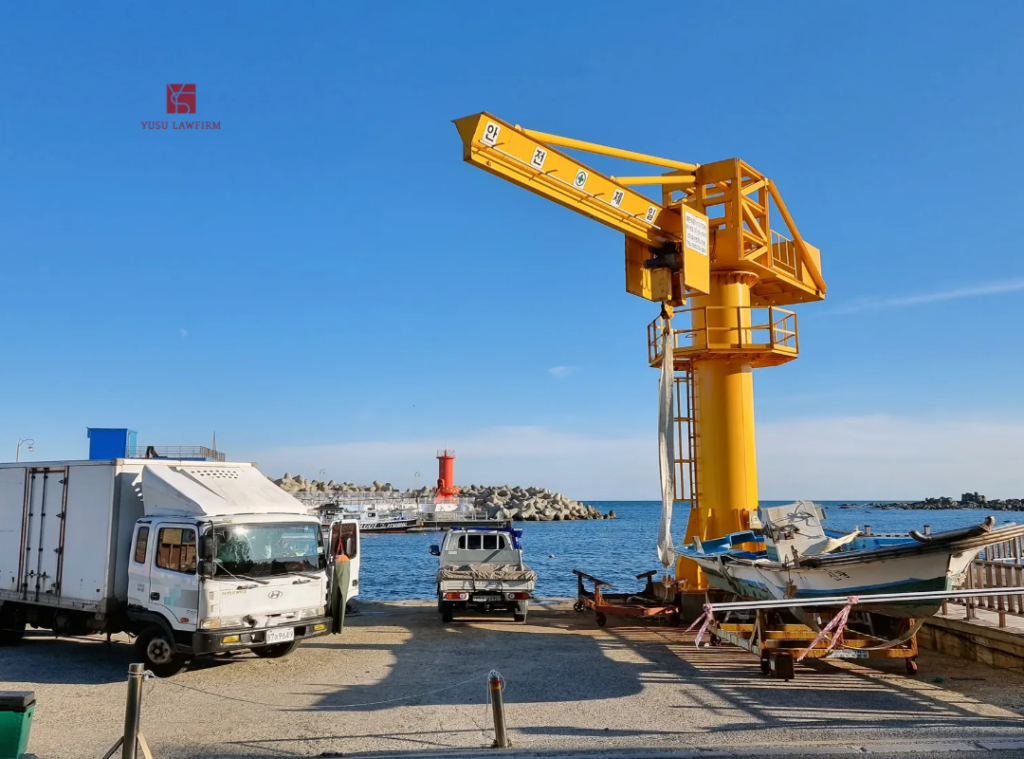
The client was running construction across several sites when unexpected external circumstances stopped part of the work. Some clients then filed fraud complaints, claiming “they never intended to do the work in the first place.” With a large scale and many complainants, the police opened a full investigation, and the client had to defend multiple complaints at once. The core question: did the client actually intend to perform the work?
The key issue: fraud is about intent to deceive
Fraud is not established simply because a contract went unfulfilled. There must be intent from the beginning to deceive and obtain money. Even if a promise couldn’t be kept, if there was a genuine will to perform at the time, it is not fraud. In Korea, material-supply problems and construction delays are common — and if those circumstances aren’t reflected, someone can be unjustly criminalized. We built the defense around proving the absence of intent to defraud from the start.

Securing evidence: building trust through objective records
The heart of the case was documentation showing the work was genuinely underway: transaction records, on-site photos, subcontracts, and sales records — all demonstrating the project was really being performed. We also emphasized, through sales flow and past project performance, that the client had the financial capacity to carry out the work. This became decisive in investigators concluding the client had genuine capability.
Third-party statements that built credibility
We obtained written confirmations from subcontractors and material suppliers who had worked on the project. They clearly stated that the client had been continuously negotiating to resume the work. We also submitted materials on actual industry practice, showing the work had realistically been carried out. These objective third-party statements strongly supported the client’s account.
The law: distinguishing breach of contract from fraud
Prosecutors could not prove intent to deceive — one of the required elements of fraud. The work stopped due to contractual issues, and there was ample evidence the client had tried to resume it. We clearly laid out the difference between civil breach of contract and criminal fraud. Korea’s Supreme Court maintains this line and holds that civil disputes should not be expanded into criminal cases.
The result: cleared of all charges
Investigators recognized the client had both the will and the ability to perform the work, and issued a no-charge (혐의없음) decision. It shows what clear evidence-gathering and legal analysis can achieve.
For how we handle this type of matter, see Fraud Defense. More outcomes are collected in our Case Results.
Frequently Asked Questions
Q: If my construction project failed in Korea, can I be charged with fraud?
A: Not automatically. Fraud requires proof you intended to deceive from the start. If you genuinely intended to perform but were stopped by circumstances, it is generally a civil matter, not a crime.
Q: What separates breach of contract from criminal fraud in Korea?
A: Intent at the outset. Breach of contract is failing to fulfill a genuine obligation; fraud requires an intention to deceive and take money from the beginning. Korean courts keep this distinction clear.
Q: What evidence helps defend against a business fraud charge?
A: Objective records showing genuine performance and capacity — transaction records, on-site photos, subcontracts, sales history, and third-party statements from partners confirming ongoing efforts.
Q: Does a fraud accusation affect my visa in Korea?
A: It can, depending on the outcome and your visa type. Even an accusation should be treated seriously, especially where you believe you are innocent.
This article is for general information only and does not constitute legal advice. Outcomes depend on the specific facts of each case. For advice on your situation, consult a licensed attorney.
Accused of fraud over a business or construction dispute in Korea? Attorney Soobin You provides English-language criminal defense from the investigation stage, with offices in Seoul (Mapo) and Gyeongju. Contact us via KakaoTalk or the inquiry form.